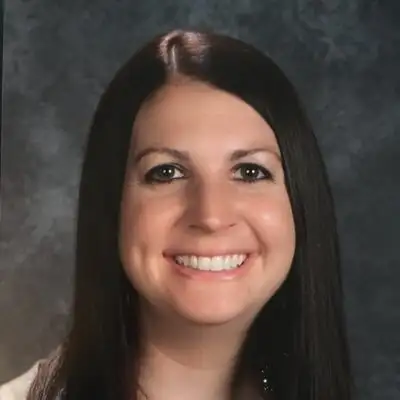
This webinar, hosted by Reading Is Fundamental (RIF), explores the critical role of reading aloud in fostering literacy and language comprehension for children of all ages. Dr. Molly Ness, a literacy expert, shares research-backed insights on the cognitive, emotional, and physiological benefits of read-alouds, both at home and in classrooms. Key points include:Reading aloud is the single most important activity for literacy success, building vocabulary, comprehension, and critical thinking skills.Interactive read-alouds—with conversation and engagement—are most effective, and should include high-quality texts across genres, including nonfiction.Scientific studies show that frequent read-alouds activate brain regions linked to language development, reduce stress, and even improve health outcomes in children, including premature infants and hospitalized kids.Author visits and read-alouds boost children’s motivation to read and write, especially when students can interact with authors.Practical strategies for families include modeling reading, creating cozy reading spaces, tracking books read, and integrating reading into daily routines beyond bedtime.Fight the “decline at nine”: Continue read-alouds beyond age nine, as children still value and benefit from them.Use “think-alouds”: Model your thought process during reading to help children develop comprehension skills.Read above grade level: Children’s listening comprehension exceeds their reading ability until adolescence, so expose them to more complex texts.Highlight print features for young children to build early literacy skills.Include nonfiction: Intentionally read informational texts to prepare children for academic demands.Multiple readings: Re-reading books allows for deeper vocabulary and comprehension work.The session concludes with a Q&A on best practices for think-alouds and multiple readings, and encouragement for educators and families to make reading aloud a joyful, regular part of children’s lives.About Dr. Molly Ness:Molly Ness is a former classroom teacher, a reading researcher, and a teacher educator. She earned a doctorate in reading education at the University of Virginia, and spent 16 years as an associate professor at Fordham University in New York City. The author of five books, Molly served on the Board of Directors for the International Literacy Association and is a New York state chapter founder of the Reading League. Dr. Ness has extensive experience in reading clinics, consulting with school districts, leading professional development, and advising school systems on research-based reading instruction. She provided literacy leadership for nationally recognized literacy non-profits, as well as major educational publishers. In 2024, Molly was invited to serve on the New York State Dyslexia Task Force. A frequent speaker and presenter, her happy place is translating the science of reading to schools and teachers. As a tireless literacy advocate, Molly created the End Book Deserts podcast, which brings awareness to the 32 million American children who lack access to books. She is currently writing a forthcoming Scholastic book, helping teachers understand orthographic mapping. In 2024, she founded Dirigo Literacy, a literacy consulting firm supporting schools, districts, and states align with and implement the science of reading. When she is not reading and writing about reading and writing, Dr. Ness is driving her ice-hockey obsessed teenage daughter to the rink, learning how to fly fish, or hiking with her poorly behaved goldendoodle. Dr. Molly Ness’s books:Read Alouds for All LearnersMaking Words Stick by Molly Ness, Katie Pace Miles | Scholastic Education